
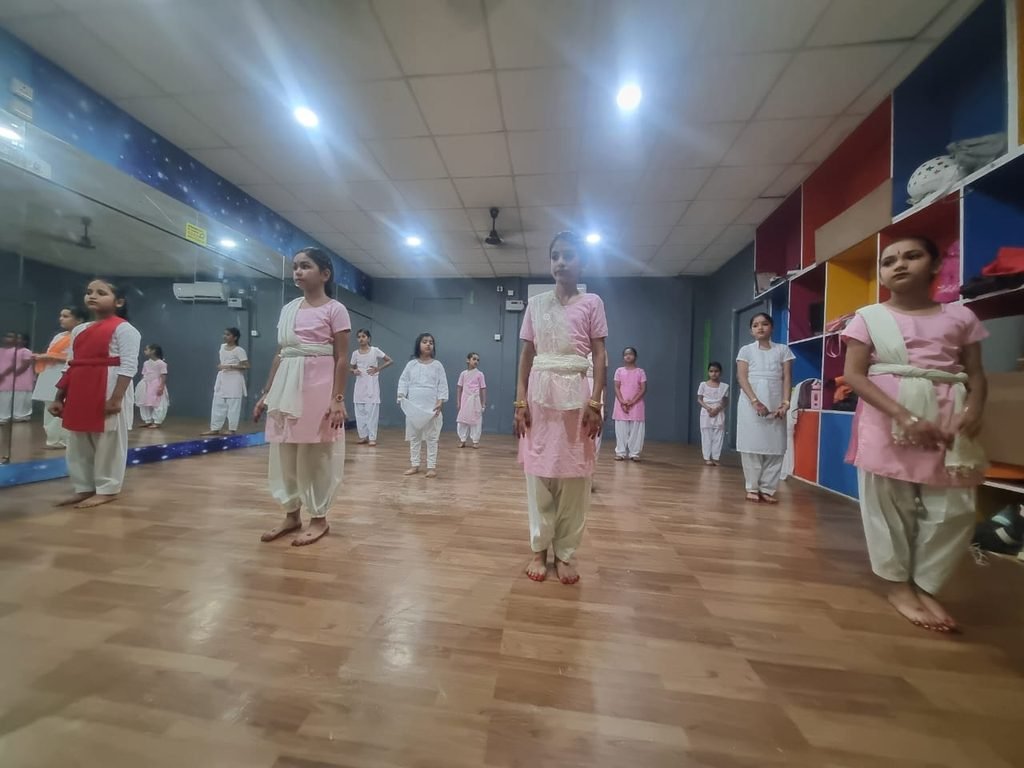
Indian Classical or Western Dance: Which Should Your Child Choose?
Choosing a dance class for a child can sometimes be confusing, particularly when parents are deciding between Indian classical dance and Western or modern dance.
Both can provide valuable learning experiences. However, they differ considerably in their movement vocabulary, training approach, music, performance style and cultural background.
Rather than asking which one is universally better, parents can consider which style suits their child’s interests, age, personality and goals.
What Is Indian Classical Dance?
Indian classical dance includes established dance traditions such as:
- Bharatanatyam
- Kathak
- Odissi
- Kuchipudi
- Manipuri
- Mohiniyattam
- Kathakali
Each style has its own technique, movements, music, expressions and traditional framework.
For children, classical dance can introduce them to Indian cultural traditions while developing movement control and discipline.
What Is Western Dance?
“Western dance” is a broad term often used in children’s dance classes to describe styles such as:
- Hip Hop
- Contemporary
- Jazz
- Western freestyle
- Commercial dance
- Modern dance
The exact styles offered can vary between dance schools.
These classes often place greater emphasis on contemporary music, choreography, movement combinations and individual expression, depending on the style.
Indian Classical vs Western Dance for Kids
| Feature | Indian Classical Dance | Western/Modern Dance |
|---|---|---|
| Movement | Structured and traditional | Often varied and contemporary |
| Music | Traditionally associated with classical music | Often contemporary/popular music |
| Training | Technique and established vocabulary | Varies by dance style |
| Expression | Includes established expressive traditions | Often focuses on movement and individual expression |
| Cultural element | Strong connection with Indian traditions | Often influenced by global dance culture |
| Performance | Traditional and contemporary presentations | Choreography-based performances |
| Learning pace | Often progressive and technique-focused | Depends strongly on the style and class |
Neither category is a single uniform type of dance. The experience can vary considerably depending on the instructor and programme.
Benefits of Indian Classical Dance for Children
1. Introduces Indian Cultural Traditions
Classical dance can give children an opportunity to learn about Indian music, stories, traditions and artistic forms.
2. Develops Movement Control
Many classical dance forms involve carefully defined positions, gestures and movements.
Regular practice can help children become more aware of posture and movement.
3. Encourages Discipline
Learning a traditional dance form generally requires regular practice and gradual progression.
Children can learn to work towards skills over time.
4. Develops Expression
Classical dance includes forms of expression through facial movements, gestures and body language.
This can introduce children to storytelling through movement.
Benefits of Western and Modern Dance for Children
1. Encourages Creativity
Many modern dance styles provide opportunities for children to explore movement and expression.
2. Builds Confidence
Performing choreography in front of others can help children become more comfortable with stage performance.
3. Keeps Children Physically Active
Dance involves movement, coordination and physical activity while allowing children to enjoy music.
4. Connects With Their Music Interests
Children who enjoy contemporary, Bollywood, Hip Hop or popular music may naturally be attracted to modern dance styles.
Which Dance Is Easier for Children to Start?
There is no universal answer.
Some children may find a particular classical form comfortable because they enjoy structured learning and repetition.
Others may prefer Western dance because they enjoy contemporary music, energetic choreography and a more varied movement style.
The instructor’s teaching method also makes a significant difference, especially for younger beginners.
Should Young Children Start With Classical Dance?
They can, provided the programme is designed appropriately for their age.
Young children may initially benefit from simple movements, rhythm exercises, basic positions and enjoyable activities rather than demanding technical training.
Parents should ask how the class is structured for beginners before enrolling.
Should Children Start With Western Dance?
Western or modern dance can also be a good starting point for children who enjoy contemporary music and movement.
Beginner classes can introduce basic steps, rhythm, coordination and simple choreography before progressing to more complex combinations.
What If My Child Likes Both?
There is no rule saying a child must choose only one.
Some children enjoy classical dance as well as modern or Western dance.
For example, a child might learn Bharatanatyam or Kathak while also participating in a modern dance or Hip Hop class.
However, parents should consider the child’s school schedule, rest and overall workload before adding multiple classes.
How Should Parents Choose?
Consider these five questions:
What does your child enjoy?
Their natural interest can be a strong indication of which class they are likely to enjoy consistently.
What is your goal?
Do you want your child to explore Indian classical traditions, learn contemporary choreography, develop performance skills or simply stay active?
Does the class suit their age?
The teaching approach should be appropriate for the child’s developmental stage.
Is the teacher suitable?
A good teacher should be able to explain movements clearly and create a positive learning environment.
Can your child attend regularly?
Regular attendance is important for learning any dance style.
Indian Classical and Western Dance Classes in Guwahati
Parents looking for children’s dance classes in Guwahati have access to a variety of styles.
Urban Beats Performing Arts offers different children’s dance options, including Indian classical and modern/Western styles, depending on the current batches and schedules.
The studio has branches at Rajgarh and Kumarpara in Guwahati.
Parents can choose a class based on the child’s age, interest, preferred dance style and available schedule.
Can Dance Help a Child Beyond Dance?
Dance can provide children with opportunities to practise movement, rhythm, coordination, memory and performance.
However, every child responds differently. The primary goal should be to find an activity that the child enjoys and can participate in comfortably and consistently.
Frequently Asked Questions
Is classical dance better than Western dance for children?
Neither is universally better. They offer different styles of movement, training and cultural experiences. The appropriate choice depends on the child’s interests and the family’s goals.
Which dance is best for a beginner child?
A beginner can start with either classical or Western dance. The suitability depends on age, interest, teaching approach and the specific class.
Can my child learn classical and Western dance together?
Yes, provided the schedule is manageable and the child enjoys both.
Is Western dance suitable for younger children?
Yes. Age-appropriate Western dance classes can introduce young children to rhythm, movement and simple choreography.
Is Indian classical dance difficult for children?
Classical dance can involve detailed technique and progressive learning. Children usually learn it gradually rather than mastering everything at once.
Which dance style is more suitable for stage performances?
Both can be performed on stage. Classical dance can involve traditional presentations, while Western and modern dance can involve contemporary choreography. The choice depends on the type of performance.
Final Thoughts
Indian classical and Western dance can both offer meaningful experiences for children.
Classical dance may appeal to children interested in Indian traditions, structured technique and expressive storytelling.
Western or modern dance may appeal to children who enjoy contemporary music, energetic choreography and creative movement.
Instead of looking for one universally “best” style, parents can focus on finding a safe, age-appropriate class taught by a supportive instructor that their child genuinely enjoys.
For families looking for children’s dance classes in Guwahati, exploring a suitable class or attending a trial session can be a practical way to understand what works for the child.