Indian Classical vs Western Dance for Kids: Which Is Right for Your Child?
Parents often ask whether their child should learn Indian classical dance or Western dance.
Both can offer valuable learning experiences, but they are quite different in their approach, movement vocabulary and training style.
Indian classical dance can introduce children to traditional Indian performing arts, rhythm, expression and structured technique. Western and modern dance styles can expose children to contemporary choreography, different music styles and creative movement.
So, which one should your child choose?
The answer depends largely on your child’s interests, age, personality and learning goals.
What Is Indian Classical Dance?
India has several recognized classical dance traditions, including Bharatanatyam, Kathak, Odissi, Kuchipudi, Manipuri and others.
For children, classical dance training can involve progressively learning:
- Basic postures and movements
- Rhythm and timing
- Footwork
- Hand gestures
- Facial expressions
- Choreography
- Traditional repertoire
Bharatanatyam
Bharatanatyam is known for its structured movements, rhythmic footwork, hand gestures and expressive storytelling.
Kathak
Kathak places significant emphasis on rhythm, footwork, turns and storytelling through movement and expression.
The experience can vary considerably depending on the teacher and curriculum.
What Is Western Dance?
“Western dance” is a broad term rather than one single dance style.
Children may encounter different forms such as:
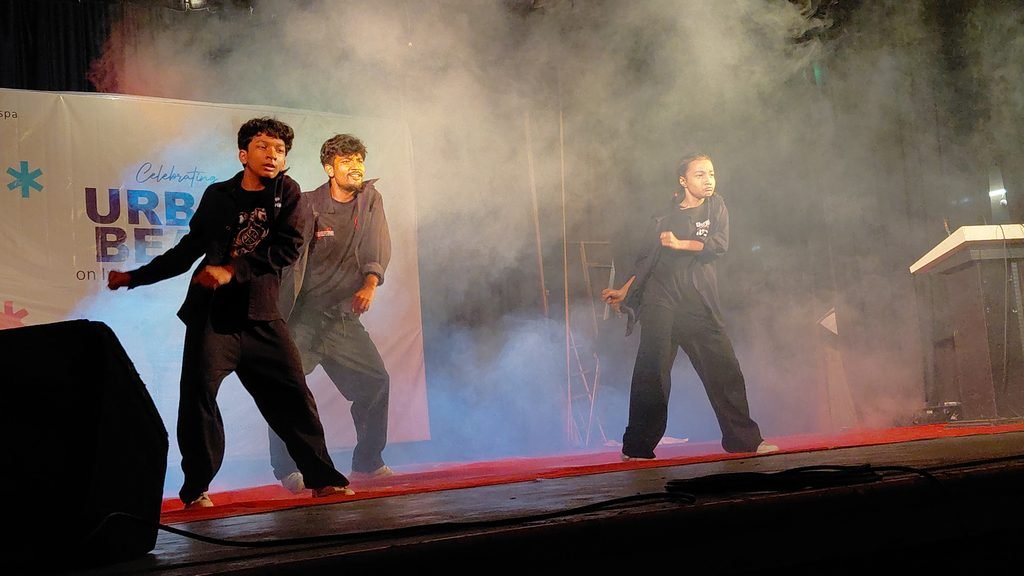
- Hip Hop
- Contemporary
- Jazz
- Modern dance
- Commercial dance
- Freestyle
- Other Western choreography
Each style has its own movement vocabulary and teaching approach.
For children who enjoy contemporary music and energetic choreography, these classes may be particularly engaging.
Indian Classical vs Western Dance: Key Differences
| Indian Classical Dance | Western/Modern Dance |
|---|---|
| Rooted in Indian performing traditions | Includes contemporary and Western dance traditions |
| Often follows structured technique | Style and structure vary by dance form |
| Strong focus on rhythm and expression | Often emphasises movement, musicality and choreography |
| Traditional music may be used | Contemporary/popular music is often used |
| Requires progressive technical training | Training varies according to the style |
| Can connect children with Indian cultural traditions | Can introduce children to contemporary dance culture |
Neither approach is automatically better for every child.
Which Is Better for a Young Child?
Rather than asking “Which is better?”, parents may find it more useful to ask:
“Which one is better suited to my child?”
For example, a child who enjoys traditional music, rhythm and structured learning may enjoy classical dance.
A child who loves energetic music, popular choreography and freestyle movement may prefer Hip Hop or modern dance.
Some children may enjoy both.
Benefits of Learning Indian Classical Dance
Classical dance can provide children with a structured artistic activity involving movement, rhythm and expression.
It may help children practice:
Rhythm and coordination
Learning footwork and rhythmic patterns requires children to coordinate movement with music.
Discipline and regular practice
Classical dance generally develops progressively, so students need regular practice as they learn more advanced techniques.
Expression
Children learn to communicate ideas and emotions through movement, gestures and facial expressions.
Cultural exposure
Indian classical dance provides an opportunity to learn about India’s traditional performing arts.
Stage experience
Children who participate in performances can gradually become more comfortable presenting their work in front of an audience.
Benefits of Western and Modern Dance
Western and modern dance classes can also provide a combination of physical activity and creative expression.
Depending on the style, children may work on:
- Coordination
- Musicality
- Body awareness
- Movement vocabulary
- Choreography
- Creativity
- Group performance
- Confidence
Dance is also a form of physical activity. WHO notes that physical activity in children and adolescents supports physical fitness, bone health, motor development and cognitive and mental health.
What About Hip Hop?
Hip Hop can be a good option for children who enjoy energetic music and contemporary choreography.
Children may learn:
- Grooves
- Footwork
- Isolation
- Choreography
- Musicality
- Freestyle movement
However, parents should select a child-appropriate class rather than simply choosing a style based on its popularity.
The teacher’s ability to work with children is just as important as the dance style itself.
What About Bollywood Dance?
Bollywood dance is particularly familiar to many Indian children because of its connection with Hindi films and popular music.
Classes may incorporate elements from several dance traditions and focus on energetic choreography and performance.
For a child who enjoys Indian film music, Bollywood can be an enjoyable starting point.
Should a Child Start With Classical or Western Dance?
There is no requirement that every child begin with one particular type.
Consider these questions:
Does your child enjoy traditional music?
If yes, you could explore Bharatanatyam, Kathak or another Indian classical form.
Does your child enjoy contemporary music?
You could explore Hip Hop, modern, contemporary or Western dance.
Does your child enjoy Bollywood songs?
A Bollywood or freestyle class may be a natural starting point.
Is your child unsure?
A demo class can be useful. Letting the child experience different styles can help reveal what they actually enjoy.
Can Children Learn Both?
Yes.
A child does not necessarily have to choose between classical and Western dance permanently.
For example, a child could learn Bharatanatyam or Kathak while also exploring Hip Hop or modern dance.
However, parents should consider:
- School workload
- Homework
- Travel time
- Class schedules
- Child’s interest
- Amount of practice required
For younger beginners, starting with one regular class may be simpler.
The Teacher Matters More Than the Label
One important point parents sometimes overlook is that the quality of the teaching environment can matter as much as the name of the dance style.
Before enrolling your child, consider:
- Is the teacher experienced in teaching children?
- Is the class age-appropriate?
- Does the teacher explain movements clearly?
- Is the environment encouraging?
- Is there enough space?
- Does your child enjoy attending?
A good teacher can help a child develop interest and confidence in the style they are learning.
Choosing Between Classical and Western Dance in Guwahati
If you are looking for dance classes for children in Guwahati, compare the available programs based on more than just the style.
Look at:
Location: Is it convenient from home or school?
Timings: Can your child attend regularly?
Age group: Is the batch appropriate for your child’s age?
Teacher: Does the instructor have experience working with children?
Class environment: Is it comfortable and encouraging?
Performance opportunities: Does your child get opportunities to practice and perform?
Demo class: Can your child experience the class before making a longer commitment?
Indian Classical and Western Dance at Urban Beats
Urban Beats Performing Arts in Guwahati offers a range of children’s dance programs, with options including Indian classical and modern/Western-oriented dance styles depending on the current batches.
The academy has centers in Rajgarh and Kumarpara, allowing parents to explore a location that fits their family’s routine.
At Urban Beats, parents can discuss their child’s age, experience and interests and ask about the most suitable current batch.
Rajgarh
Urban Beats Performing Arts
2nd Floor, 268, Rajgarh, Sarania Hills
Guwahati, Assam 781003
Kumarpara
Urban Beats Performing Arts
Kumarpara, Guwahati
For current class schedules, age groups and available dance styles, contact Urban Beats or visit urbanbeats.in.
So, Which One Should You Choose?
Indian classical and Western dance can both be meaningful activities for children.
Choose classical dance if your child is attracted to traditional Indian performing arts, structured training, rhythm and expressive movement.
Explore Western/modern dance if your child is more interested in contemporary choreography, popular music, Hip Hop or energetic movement.
And if your child enjoys both, there is no reason they cannot explore both at different stages.
The most important thing is that the class is age-appropriate, well taught, enjoyable and something your child looks forward to attending.
Frequently Asked Questions
Is Indian classical dance better than Western dance for children?
Neither is universally better. They offer different learning experiences. The right choice depends on the child’s interests, age and goals.
Which classical dance is suitable for children?
Bharatanatyam and Kathak are among the classical forms children commonly learn, but the appropriate choice depends on the available teacher, program and the child’s interest.
Is Western dance suitable for young children?
Age-appropriate modern, Hip Hop, freestyle or other Western dance programs can be suitable for children when taught by instructors experienced with that age group.
Can my child learn Bharatanatyam and Hip Hop?
Yes. Children can explore different dance styles provided the schedule and training load are appropriate for their age and other commitments.
Which is better for a child who loves Bollywood music?
A Bollywood, freestyle or modern dance class may be a natural option, although children can also explore classical dance if they are interested in it.
Where can I find classical and modern dance classes for kids in Guwahati?
Urban Beats Performing Arts offers children’s dance programs at its Rajgarh and Kumarpara centers in Guwahati. Contact the center for the latest batches and available styles.